


Colorado Archaeological Areas: Where to See the State’s Ancient History
Colorado Archaeological Areas: Where to See the State’s Ancient History
Long before Colorado’s mining and railroad history, the region was home to Ancestral Puebloan communities whose structures and rock art remain visible today, mostly concentrated in the southwest corner of the state. Here’s a guide to the best Colorado archaeological areas for visitors interested in the state’s pre-European history.
Mesa Verde National Park
The best-known and most extensively preserved site in the state, Mesa Verde protects hundreds of cliff dwellings built by Ancestral Puebloans between roughly 600 and 1300 CE. Ranger-guided tours take visitors directly into structures like Cliff Palace and Balcony House, offering close access to multi-story stone dwellings built into canyon alcoves. It’s the only UNESCO World Heritage Site in Colorado and the most developed for visitors, with a museum, marked driving loops, and both guided and self-guided trail options.
Canyons of the Ancients National Monument
West of Mesa Verde and less developed for tourism, Canyons of the Ancients protects the highest known density of archaeological sites in the United States, with an estimated 6,000-plus sites spread across the monument, though many remain unexcavated or difficult to access. The Anasazi Heritage Center, located at the monument’s edge, functions as a museum and starting point, with exhibits on the artifacts and history of the wider region. Lowry Pueblo, a partially excavated great house within the monument, is one of the more accessible individual sites for visitors.
Chimney Rock National Monument
Located in southwestern Colorado near Pagosa Springs, Chimney Rock centers on twin rock spires that align with the northern lunar standstill, a rare astronomical event that occurs roughly every 18.6 years. The site includes a great kiva and other structures believed to have been used for ceremonial purposes tied to that alignment, and guided tours are available through much of the visitor season.
Ute Mountain Tribal Park
Adjacent to Mesa Verde but managed separately by the Ute Mountain Ute Tribe, this park offers guided tours led by tribal members to cliff dwellings and rock art sites that see far fewer visitors than Mesa Verde itself. Tours require advance reservation and typically combine a driving portion with guided hiking to individual sites.
Rock Art Sites: Canyon Pintado and McKee Springs
Colorado has several significant rock art concentrations outside its major parks. Canyon Pintado, along Colorado Highway 139 in the northwest part of the state, contains petroglyphs and pictographs visible from marked pullouts along the highway. McKee Springs, within Dinosaur National Monument, adds another rock art concentration to a park more commonly associated with its fossil exhibits.
Crow Canyon Archaeological Center
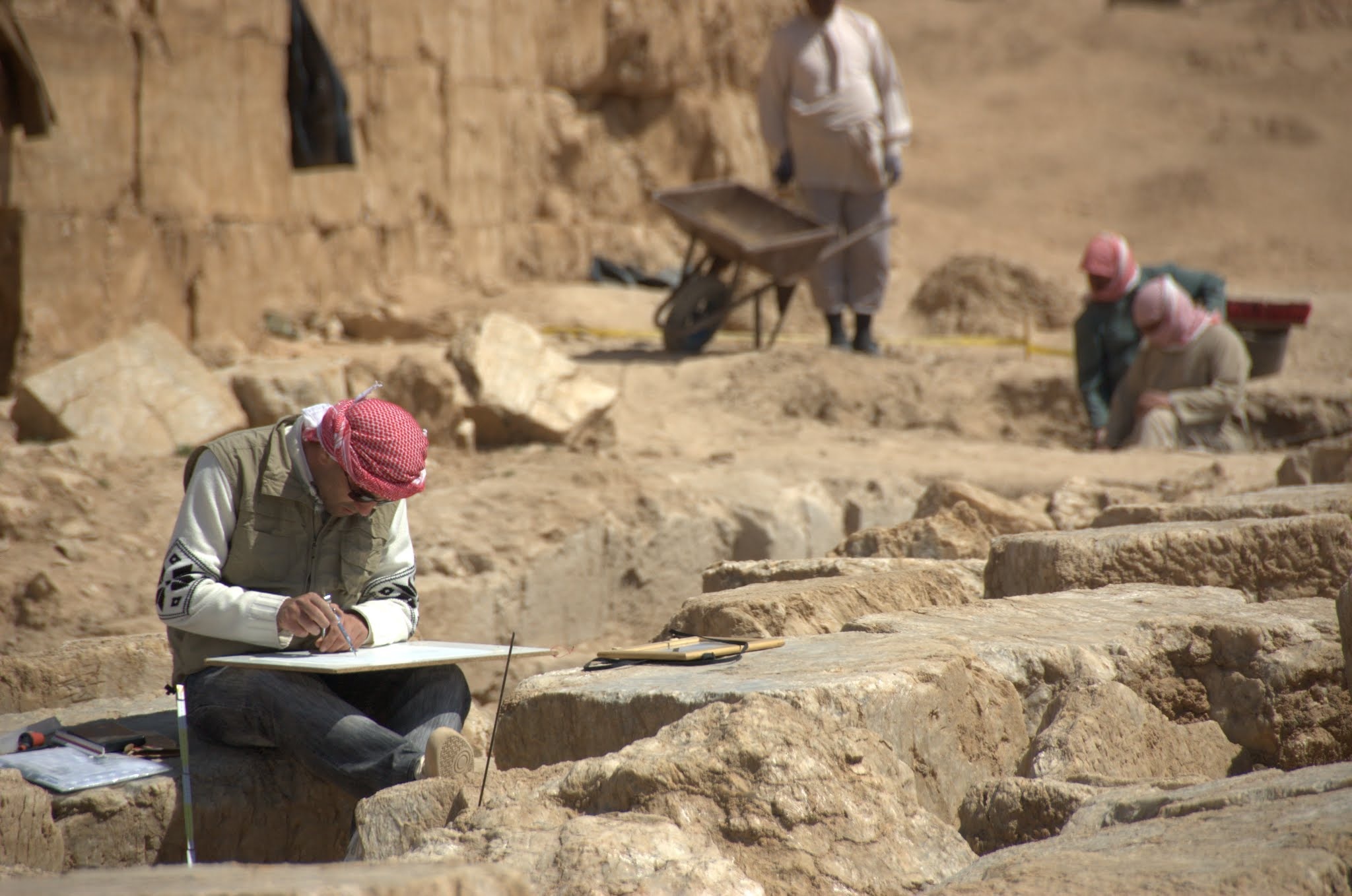
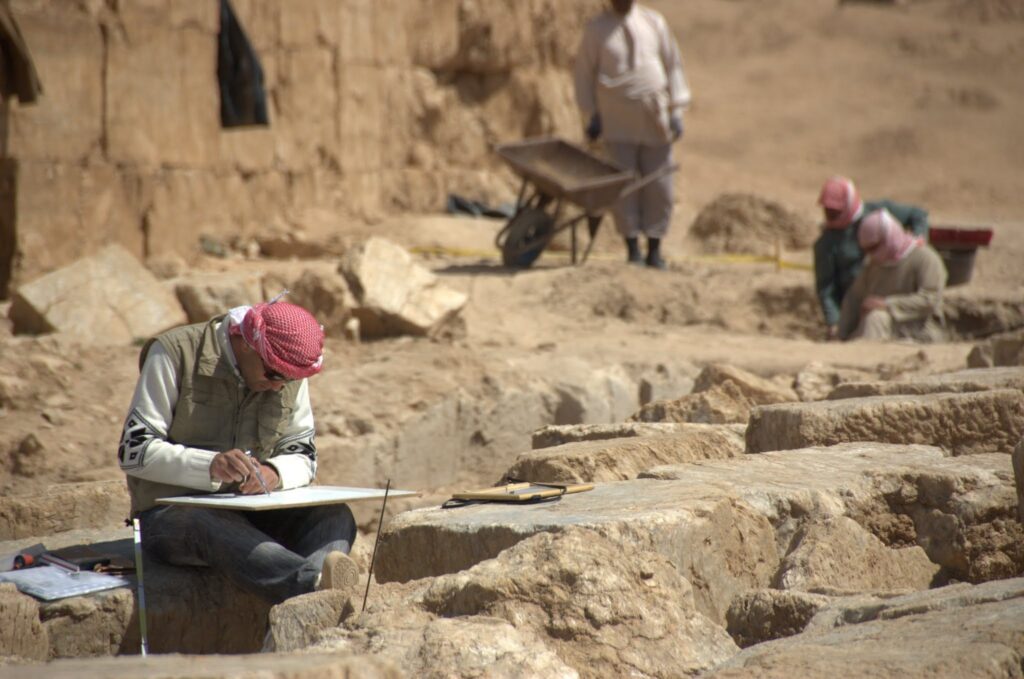
Based near Cortez, Crow Canyon is a research and education nonprofit rather than a single archaeological site, offering hands-on programs where visitors can participate in active excavation and lab work alongside professional archaeologists. It’s a different kind of experience than a self-guided park visit, geared toward visitors who want direct involvement rather than just observation.
Planning a Trip Around These Sites
Most of Colorado’s major archaeological areas cluster in the southwest corner of the state, near Cortez, Durango, and Pagosa Springs, which makes it possible to visit several sites Mesa Verde, Canyons of the Ancients, and Chimney Rock within a several-day trip without extensive driving between them.
- Want the most developed, visitor-ready experience? Mesa Verde National Park.
- Want fewer crowds and a broader sense of scale? Canyons of the Ancients National Monument.
- Interested in astronomical alignment and ceremonial sites? Chimney Rock National Monument.
- Want a guided tour led by tribal members? Ute Mountain Tribal Park.
- Want hands-on involvement rather than observation? Crow Canyon Archaeological Center.
Visiting Respectfully
These sites hold ongoing cultural and spiritual significance for the Puebloan peoples descended from their original inhabitants, as well as the Ute Mountain Ute and other tribes connected to the region. Staying on marked trails, not touching or removing artifacts, and following ranger or guide instructions during tours all matter for preserving sites that are, in some cases, over a thousand years old and still actively studied.
Colorado’s archaeological areas offer a different kind of trip than the state’s mountain scenery or ski towns a closer look at the people who lived in the region long before it became a tourist destination. Mesa Verde remains the essential stop for a first visit, but pairing it with a less-visited site like Canyons of the Ancients or Chimney Rock rounds out the trip with a broader sense of just how much history the region holds.