





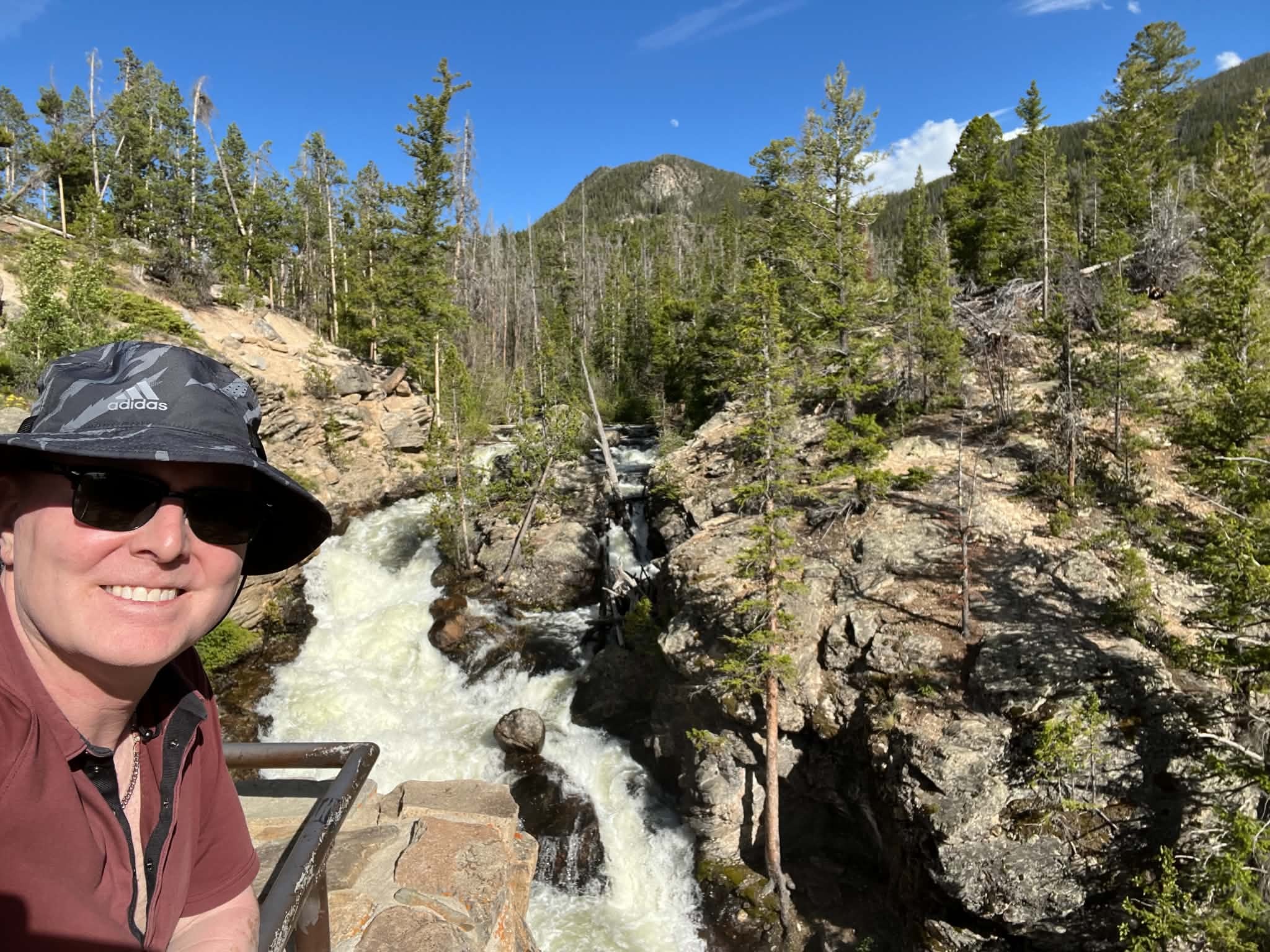
East Inlet Trail Colorado: Adams Falls Hiking Guide
East Inlet Trail Colorado: Adams Falls Hiking Guide
East Inlet Trail is one of the most rewarding hiking routes on the west side of Rocky Mountain National Park, Colorado. Starting near the mountain town of Grand Lake, the trail follows the East Inlet through evergreen forest, rocky terrain, rushing water, and high-country landscapes.
For visitors who want a short and scenic walk, Adams Falls is an excellent destination. Hikers looking for a longer adventure can continue deeper into the park toward Lone Pine Lake, Lake Verna, and Spirit Lake.
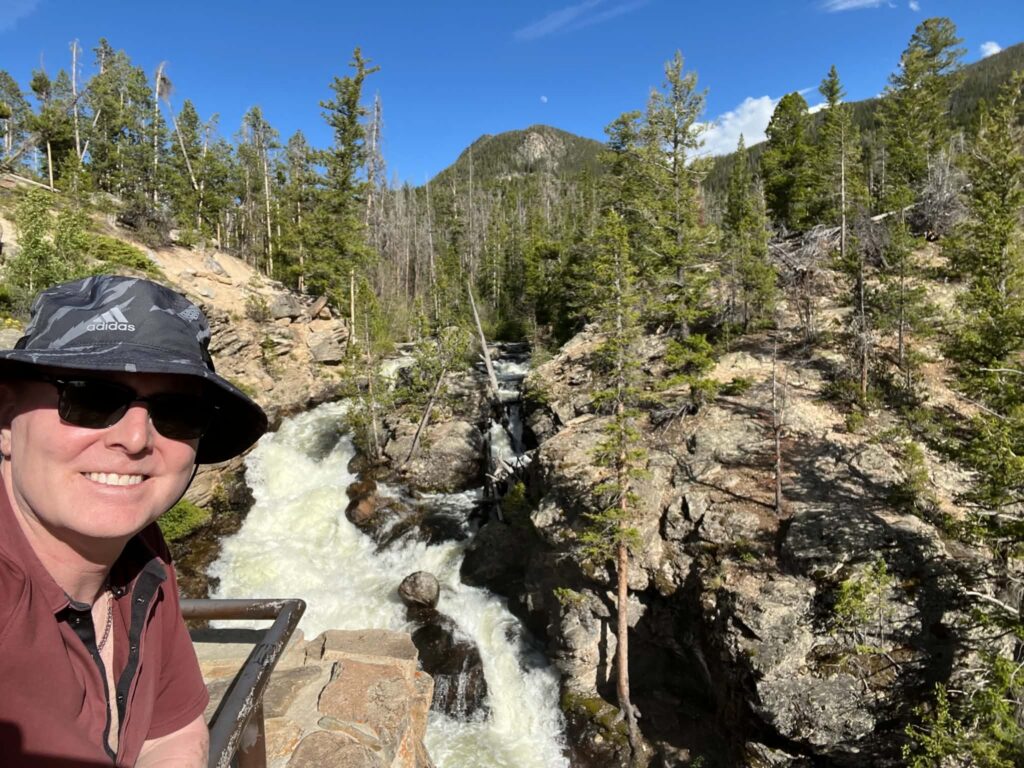
The trail offers a quieter alternative to some of the park’s busiest east-side hikes while still delivering the classic Rocky Mountain experience: mountain views, waterfalls, alpine lakes, and peaceful forest scenery.

Where Is East Inlet Trail?
East Inlet Trail is located on the western side of Rocky Mountain National Park, close to Grand Lake, Colorado. The trail begins at the East Inlet Trailhead, which sits at approximately 8,400 feet (2,560 meters) above sea level.
The trailhead provides access to several destinations, making it suitable for both casual visitors and experienced hikers. The most accessible highlight is Adams Falls, while the longer route continues into the East Inlet drainage and reaches several alpine lakes.
Adams Falls: The Best Short Hike on East Inlet Trail
Adams Falls is the easiest major destination from the East Inlet Trailhead. According to the National Park Service, the falls are approximately 0.3 miles (0.5 kilometers) one way, with about 79 feet (24 meters) of elevation gain.
The short walk leads through a forested landscape to a viewpoint overlooking a narrow, powerful section of the East Inlet. Water rushes through the rocky gorge, creating an impressive scene that is especially dramatic during the spring snowmelt and early summer.
Although the hike to Adams Falls is short, visitors should still use care around the water and rocks. The current can be extremely strong, and wet surfaces may be slippery. Stay on established paths and observe all posted safety signs.
Continuing Beyond Adams Falls
Adams Falls is only the beginning of East Inlet Trail. Hikers who continue farther into the wilderness can reach a series of increasingly remote destinations:
•Lone Pine Lake: approximately 5.5 miles (8.9 kilometers) one way
•Lake Verna: approximately 6.9 miles (11.1 kilometers) one way
•Spirit Lake: approximately 7.8 miles (12.5 kilometers) one way
These distances are measured one way from the East Inlet Trailhead, so the return journey makes the complete hike substantially longer. The route becomes more demanding as it climbs farther into the backcountry, and conditions can change quickly at higher elevations.
The longer trail is best suited to hikers who are prepared for extended distance, elevation gain, changing weather, and backcountry conditions. Anyone planning an overnight trip should check current wilderness camping regulations and obtain the necessary permit from Rocky Mountain National Park.
What Makes East Inlet Trail Special?
1. A Beautiful Waterfall Close to Grand Lake
The short route to Adams Falls makes East Inlet Trail an appealing option for travelers who want to experience Rocky Mountain scenery without committing to an all-day hike. It is a practical stop for families, photographers, and visitors exploring the Grand Lake area.
2. A Peaceful Forest Setting
The trail passes through a landscape of lodgepole pine, spruce, fir, exposed rock, and natural clearings. The sound of the inlet remains a central part of the experience, creating a peaceful atmosphere as the trail moves away from the trailhead.
3. Access to Alpine Lakes
For strong hikers, East Inlet Trail provides access to several alpine lakes, including Lone Pine Lake, Lake Verna, and Spirit Lake. These destinations offer a deeper wilderness experience than the short walk to Adams Falls.
4. A Different Side of Rocky Mountain National Park
Many first-time visitors focus on the Bear Lake Road Corridor and the popular trails near Estes Park. East Inlet Trail showcases the west side of the national park and provides a scenic way to explore the Grand Lake region.
Best Time to Visit East Inlet Trail
The best time to hike East Inlet Trail generally depends on the destination and current trail conditions.
•Late spring and early summer: Water levels can be impressive because of snowmelt, but snow and mud may remain at higher elevations.
•Mid to late summer: The lower trail is often more accessible, while wildflowers may appear in open areas and higher elevations.
•Early fall: Cooler temperatures and changing foliage can create beautiful conditions, but snow may arrive early in the mountains.
•Winter and early spring: Snow, ice, and limited access can make the longer route difficult. Check current conditions before planning a winter visit.
Mountain weather can change rapidly at any time of year. Start early, carry extra layers, bring sufficient water, and check official alerts before leaving.
Important Visitor Information
Rocky Mountain National Park requires visitors to follow current entrance, fee, reservation, and trail regulations. The National Park Service states that timed-entry reservations may be required for access to East Inlet and other areas of the park during designated periods.
For the 2026 season, the NPS timed-entry page states that reservations are required for park entry between 9 a.m. and 2 p.m. daily from May 22 through October 12, 2026. Rules and dates can change, so always confirm the latest information on the official Rocky Mountain National Park website or Recreation.gov before visiting.
Keep these practical tips in mind:
•Check trail and road conditions before departure.
•Carry water, snacks, sun protection, and extra clothing.
•Wear shoes with good traction, especially near Adams Falls.
•Stay on designated trails and keep a safe distance from moving water.
•Practice Leave No Trace principles.
•Do not feed or approach wildlife.
•Remember that high elevation can make a hike feel more difficult than expected.
•For longer hikes, bring a map, navigation tools, and an emergency plan.
Is East Inlet Trail Worth Visiting?
Yes. East Inlet Trail is worth visiting because it offers flexibility. A short walk leads to the dramatic scenery of Adams Falls, while a longer hike opens the door to alpine lakes and deeper wilderness in Rocky Mountain National Park.
The combination of rushing water, evergreen forest, rugged rock formations, and mountain scenery makes this trail an excellent choice for visitors exploring Grand Lake and the western side of Colorado’s most famous national park.
Whether you stop at Adams Falls for a quick nature walk or continue toward Lake Verna and Spirit Lake, East Inlet Trail offers a memorable Rocky Mountain adventure.
East Inlet Trail is a scenic and versatile hiking destination in Rocky Mountain National Park. Its short distance to Adams Falls makes it accessible to many visitors, while the longer route offers a challenging journey through forests, valleys, and alpine landscapes.
If you are planning a trip to Grand Lake, Colorado, add East Inlet Trail to your itinerary. Arrive prepared, respect the mountain environment, and check the latest official park information before setting out.