

Glenwood Springs Amtrak Station: History & Visitor Guide
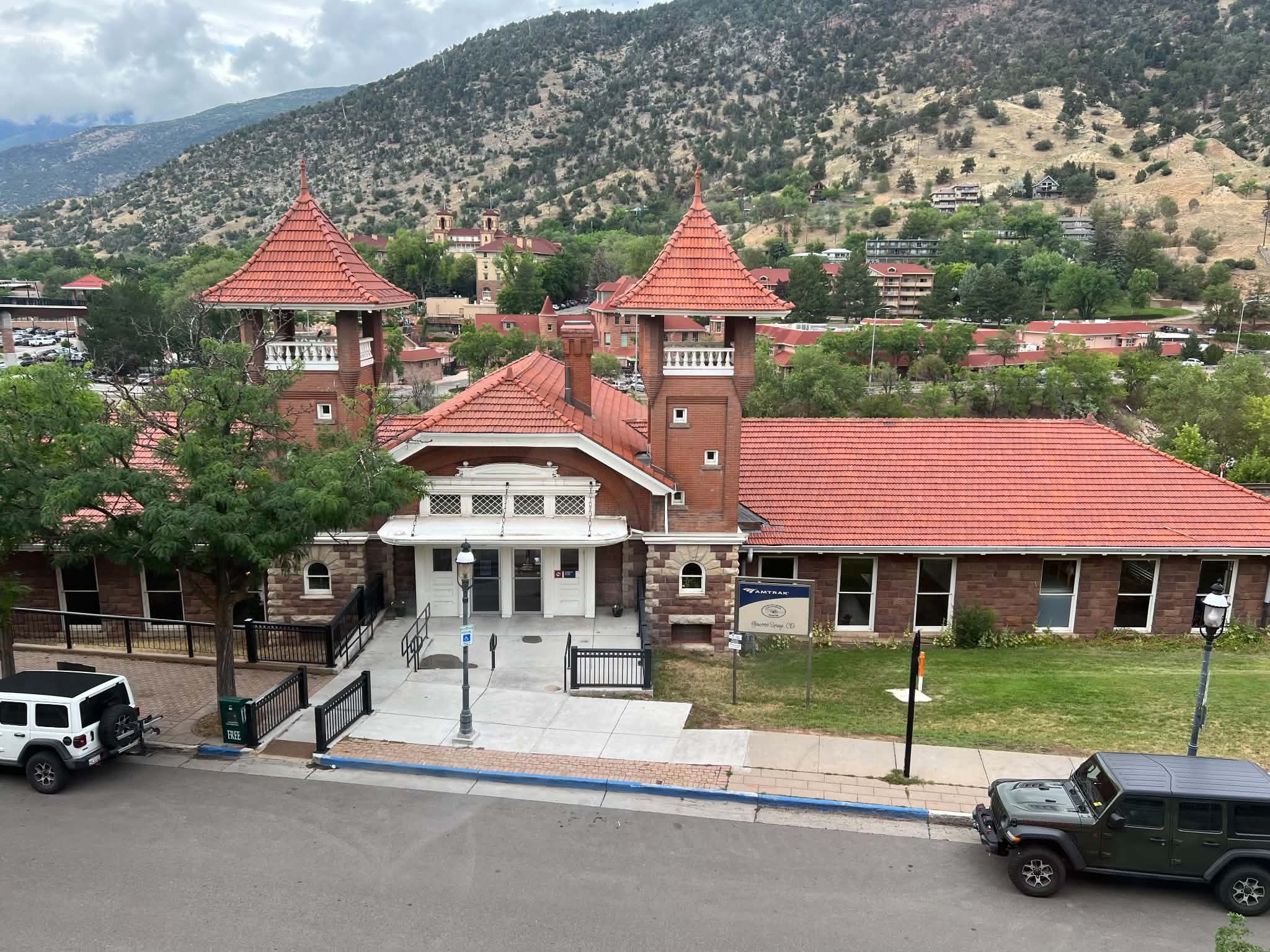
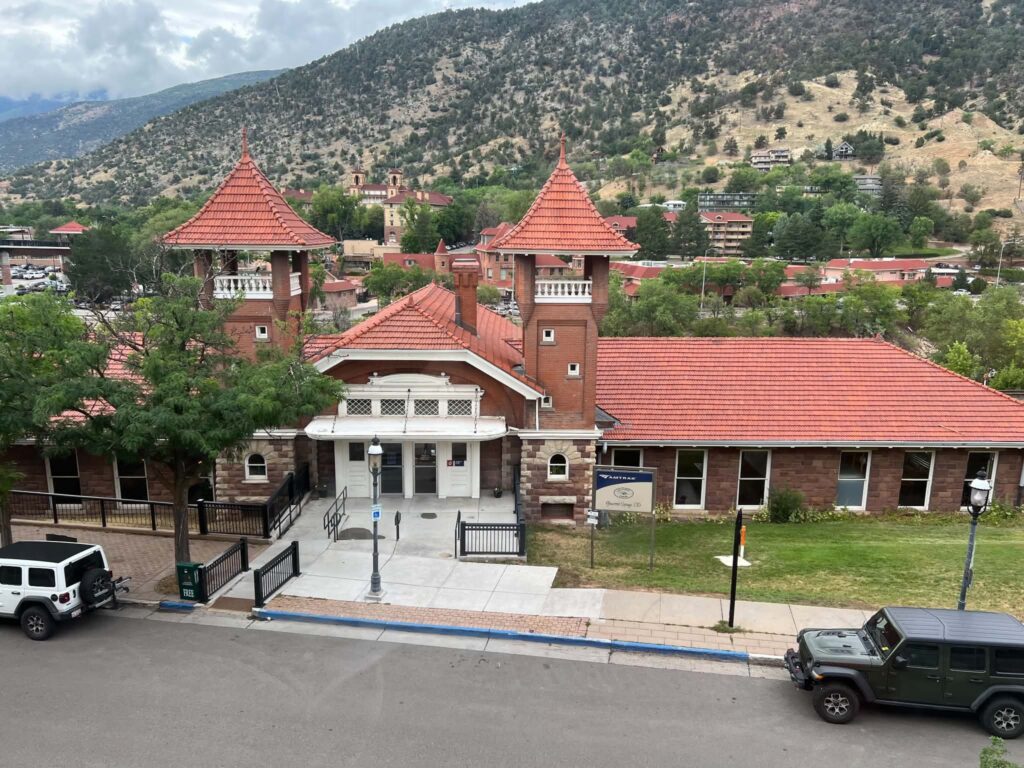
With its red-tiled roof and twin brick towers, the Glenwood Springs Amtrak Station is one of the more architecturally distinctive train stops on Amtrak’s entire network, and it remains a genuinely practical way to reach one of Colorado’s most popular hot springs towns without ever needing a car.
Glenwood Springs Amtrak Station: History & Visitor Guide
A Station Built for a Boomtown
The depot was built in 1904 by the Denver & Rio Grande Western Railroad, at a time when Glenwood Springs was racing to establish itself as a resort destination to rival the finest hotels in Europe. The station was designed in the Romanesque Revival style by Austrian-born architect Theodore von Rosenberg, who also designed the stone bathhouse building at Glenwood Hot Springs giving the station and the town’s most famous hot springs pool a shared architectural identity that’s still visible today. The building sits close to the southern bank of the Colorado River, a short walk from downtown Glenwood Springs.
Today’s Amtrak Service: The California Zephyr
The station is served daily by Amtrak’s California Zephyr, which runs between Chicago and Emeryville, California, in the San Francisco Bay Area, making Glenwood Springs one stop along a route that crosses the Rocky Mountains, the Colorado River valley, and the Utah desert. From Denver, the ride to Glenwood Springs takes roughly six hours, passing through national forests and historic mountain towns along the way. The station also serves as an overnight stop for the Rocky Mountaineer’s “Rockies to the Red Rocks” luxury train route between Denver and Moab, Utah.
The Glenwood Canyon Connection
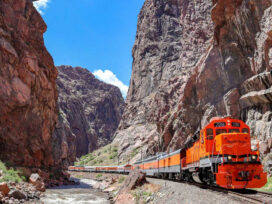
Some of the most memorable scenery along the entire California Zephyr route comes just before or after the Glenwood Springs stop, as the train passes through Glenwood Canyon. In 1944, a General Motors executive traveling this stretch of track was inspired by the canyon’s dramatic scenery to help develop the Vista-Dome railcar a design featuring a raised, glass-domed section that gave passengers unobstructed views of the passing landscape. The first Vista-Dome car, named the Silver Dome, made its inaugural run through Glenwood Canyon in 1949, and while that original car has long been retired, today’s California Zephyr still features an Observation/Sightseer Lounge Car with large windows built specifically to showcase this stretch of canyon.
What’s Inside the Station
Beyond serving as an active train stop, the depot also houses the Glenwood Railroad Museum, which opened in 2003 and preserves photographs, artifacts, and exhibits covering the area’s railroad history including the competition between the Denver & Rio Grande and Colorado Midland Railroad to be the first to reach Glenwood Springs in the 1880s. Visitors arriving by train step into a preserved, high-ceilinged interior with large windows overlooking the river, a noticeably different experience than arriving at a modern airport terminal.
Getting Around Once You Arrive
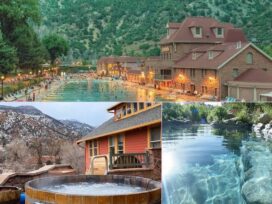
One of the practical advantages of the Glenwood Springs station is its location it sits within walking distance of downtown, making it possible to visit hot springs, restaurants, and shops without needing a rental car. Nearby attractions reachable on foot or a short rideshare include Glenwood Hot Springs Pool, Iron Mountain Hot Springs, and the historic Hotel Colorado, which has hosted guests including President Theodore Roosevelt since its Victorian-era heyday.
Planning a Train Trip to Glenwood Springs
- Book in advance for the Denver-to-Glenwood Springs leg, particularly during summer and fall, when both tourism and the scenic value of the route peak.
- Sit on the north side of the train for some of the better canyon views heading westbound, though scenery is dramatic on both sides through the tightest sections of Glenwood Canyon.
- Pair the trip with a hot springs stay. Several hotels, including Hotel Colorado, are close enough to the station to make a car-free trip realistic for a multi-day visit.
The Glenwood Springs Amtrak Station offers a rare combination of practical transportation and genuine architectural and railroad history, all wrapped into one of the most scenic legs of Amtrak’s cross-country network. Whether you’re arriving specifically to explore the town’s hot springs or simply passing through on the California Zephyr, it’s a station worth taking a few extra minutes to appreciate rather than rushing straight to a rental car.