

Lizard Head Pass, Colorado: The Complete Scenic Drive Guide
Lizard Head Pass, Colorado: The Complete Scenic Drive Guide
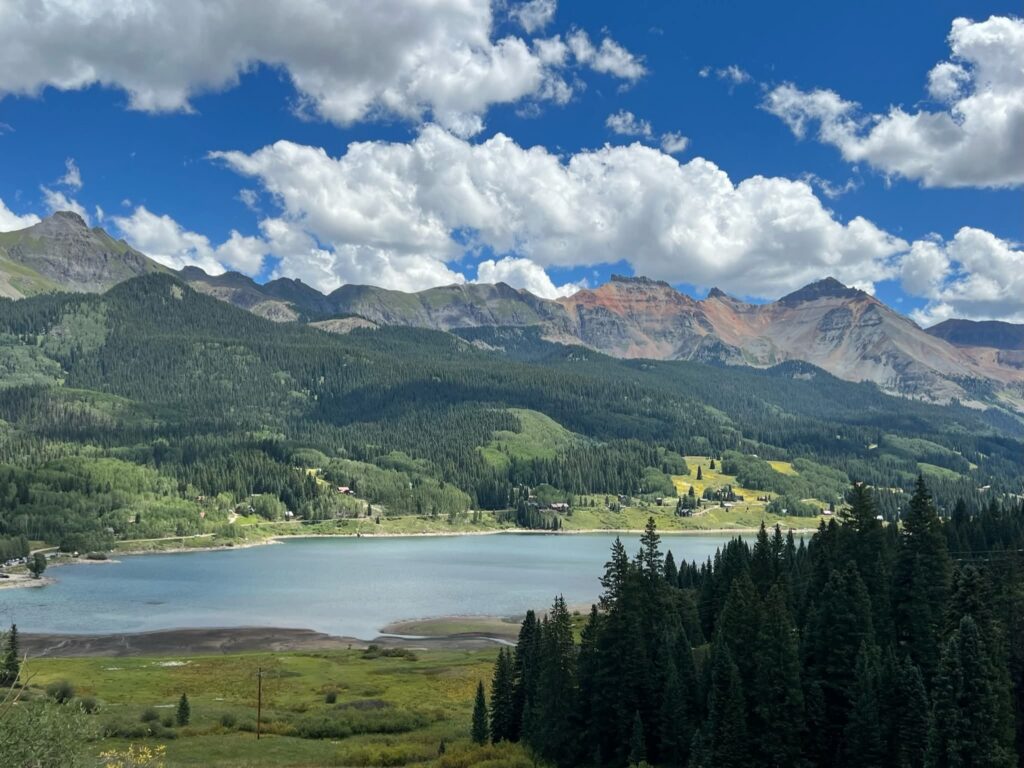
Cresting at 10,222 feet along Highway 145 south of Telluride, Lizard Head Pass has been called one of the most beautiful drives in America, and it’s easy to see why jagged 14,000-foot peaks, wildflower meadows, an alpine lake right off the road, and a fully paved route that doesn’t require any special vehicle to enjoy.
Where the Pass Sits
Lizard Head Pass sits on the border of Dolores and San Miguel counties in the San Juan Mountains, about 12 miles south of Telluride along State Highway 145, which forms part of the larger San Juan Skyway. It marks the divide between the watersheds of the Dolores River and San Miguel River, and connects the small communities of Telluride, Ophir, and Rico.
The Views Along the Way
The pass takes its name from Lizard Head Peak, a distinctive 13,113-foot rock spire visible near the summit, shaped in a way that resembles a lizard’s head with its face to the sky. From the highway and surrounding overlooks, the drive offers views of several of Colorado’s fourteeners, including El Diente Peak, Mount Wilson, and Wilson Peak, along with Mount Sneffels one of the most photographed peaks in the state visible from certain angles along the route.
Trout Lake: The Pass’s Best-Known Stop
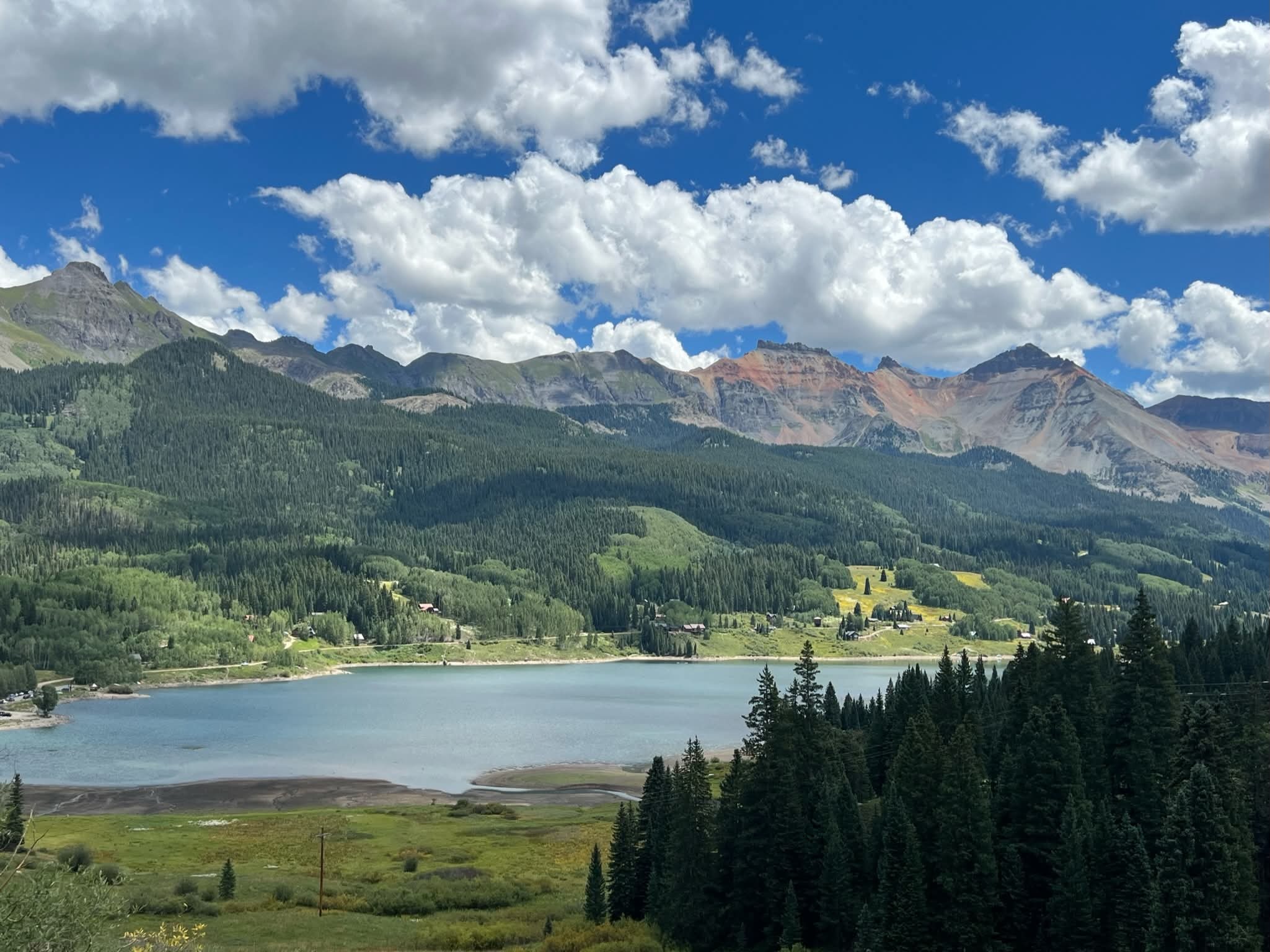
About 10 to 14 miles south of Telluride, right along the highway, Trout Lake offers one of the easiest scenic stops on the entire drive no hiking required to reach the water’s edge. The lake sits beneath a dramatic backdrop that includes Vermilion Peak and Golden Horn, and its calm water makes it a popular spot for paddleboarding, fishing, or simply pulling over for photos on the way to or from the pass.
A Railroad History Along the Route
Before it was a highway, Lizard Head Pass was traversed by the Rio Grande Southern Railroad until 1952. The steep grades on either side of the pass proved to be a significant obstacle for train traffic, eventually leading to the development of the smaller, more maneuverable “Galloping Goose” railcars used on the line. Remnants of that railroad history remain visible in the area, including the old Ophir Loop near the town of Ophir on the descent from the pass.
Hiking and Recreation at the Summit
A parking area with restrooms sits at the summit of the pass, serving as the trailhead for several hikes:
- Lizard Head Trail: A moderate hike through meadows and mixed forest with views of Trout Lake and the surrounding peaks, leading toward the base of Lizard Head Peak itself.
- Cross Mountain Trail: Offers views east toward Trout Lake, Sheep Mountain, Vermilion Peak, and Golden Horn, and can be combined with the Lizard Head Trail for a longer loop.
- Galloping Goose Trail: A 17.6-mile trail following part of the old railroad route toward Telluride, open to hikers, mountain bikers, and horseback riders.
In winter, the same summit area becomes a trailhead for snowshoeing and Nordic skiing, including the Trout Lake Nordic Area, a gentle out-and-back route along the old railroad grade maintained by the Telluride Nordic Association.
Best Time to Drive Lizard Head Pass
- Summer: Wildflower meadows and the fullest range of hiking options make summer the most popular season for the drive.
- Fall: The pass is lined with aspen groves, and the roughly two-week window when they peak typically late September into early October is considered one of the best fall drives in the state.
- Winter: The highway remains open and plowed year-round, but conditions can turn hazardous on the northern half near Telluride, so winter drivers should check conditions before heading out.
Getting There
From Telluride, take West Colorado Avenue west out of town, following signs toward Mountain Village, then continue onto Highway 145 southbound. The summit of the pass is about 12 miles from town. From the south, the pass is reached from Rico via the same highway, also about 12 miles to the summit.
Lizard Head Pass packs an unusual amount of scenery into a single paved, easy-to-drive route fourteener views, a roadside alpine lake, wildflower meadows, and a real slice of Colorado’s mining and railroad history. Whether it’s a quick out-and-back from Telluride or one leg of a longer San Juan Skyway loop, it’s a drive worth building extra time into your itinerary for, since nearly every overlook is worth a stop.