

Trout Lake, Telluride: Complete Visitor Guide
Trout Lake, Telluride: Complete Visitor Guide
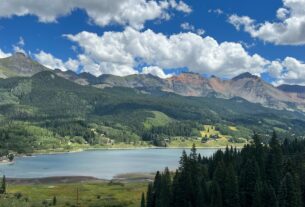
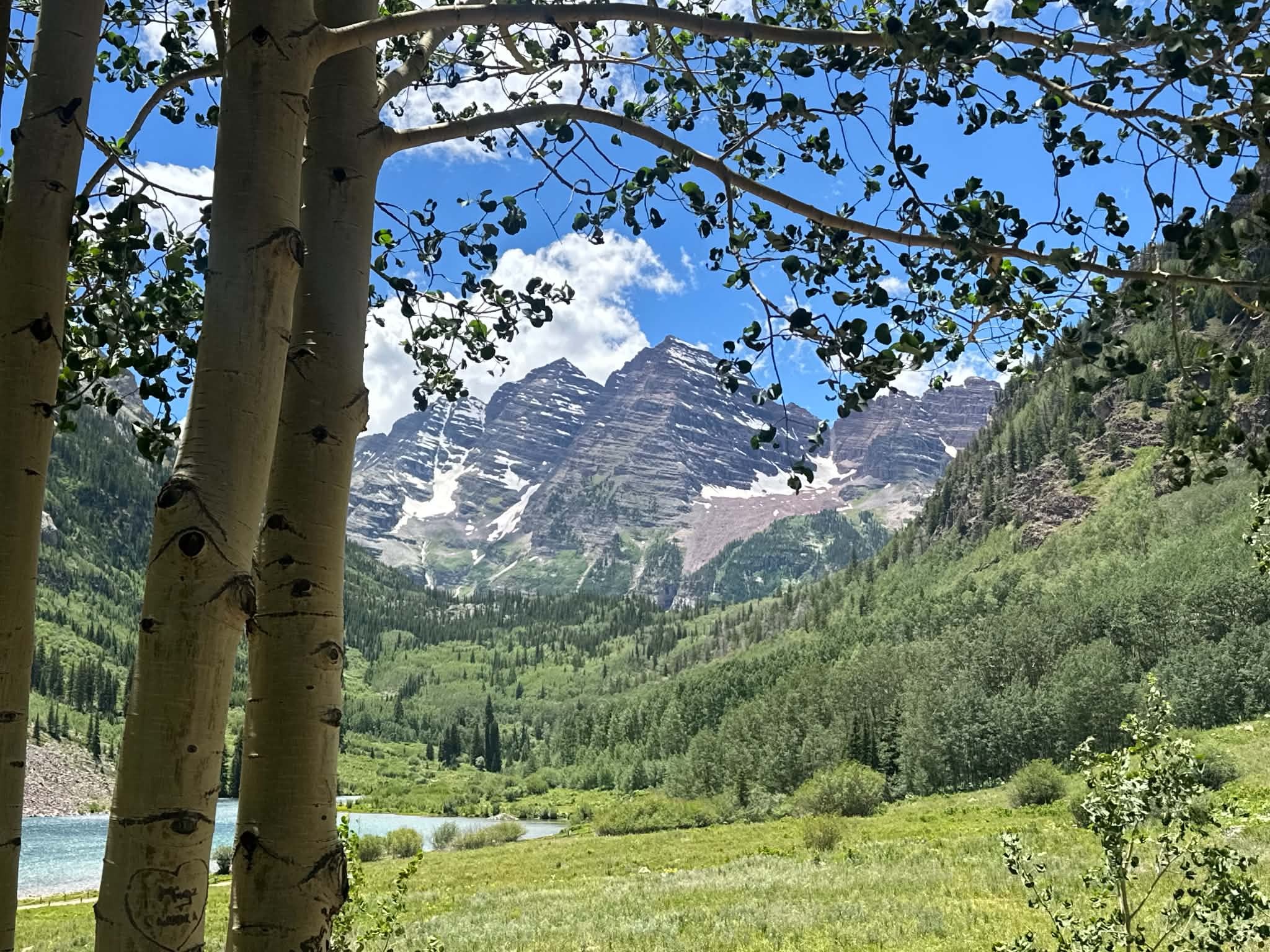
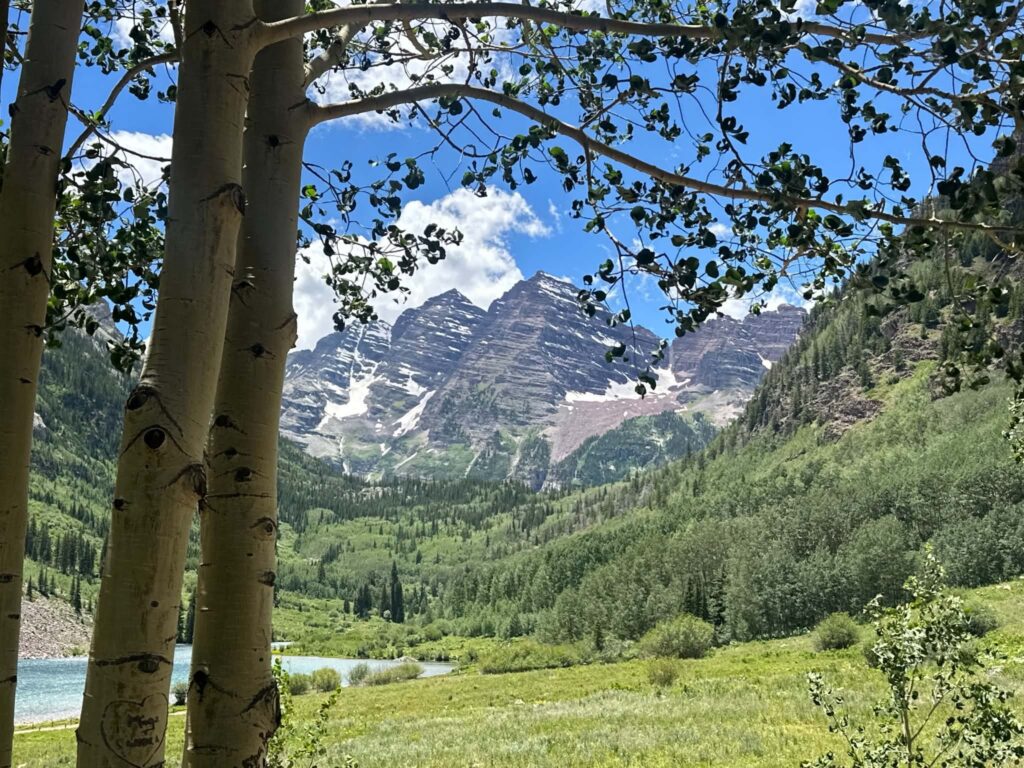
Sitting right alongside Highway 145 about 14 miles south of town, Trout Lake is one of the most accessible alpine lakes near Telluride, Colorado no hiking required to reach water’s edge, with a backdrop that includes Vermilion Peak, Golden Horn, and Pilot Knob rising above the far shore. Here’s what to know before visiting.
Getting There
From Telluride, head west out of town and take Highway 145 south toward Mountain Village and Lizard Head Pass. The lake appears on the left after about 10 to 14 miles, roughly a 20 to 25-minute drive, with a parking area right on the shoreline accessible via North Trout Lake Road. Because it sits directly off the highway, Trout Lake requires none of the hiking commitment that many of Colorado’s other alpine lakes do.
A Natural Lake with a Working History
Trout Lake began as a natural lake but was dammed to create additional water storage for the nearby Ames Hydroelectric Generating Plant, the site of the world’s first commercial application of alternating current power in the 1890s. The Rio Grande Southern Railroad once ran along the lake’s edge as well, and the historic Trout Lake Trestle a remnant of that railroad emains one of the lake’s most photographed features.
What to Do at Trout Lake
- Paddleboarding, kayaking, and canoeing: The lake’s calm water and manageable size make it a popular stand-up paddleboarding spot, including SUP yoga sessions run by local Telluride outfitters.
- Fishing: Stocked with rainbow and brown trout, the lake offers shore fishing, wading, or fishing by boat, and is considered a good, low-pressure spot for beginners or kids learning to cast.
- Hiking: The Hope Lake trailhead sits about a mile and a half past Trout Lake, offering a moderate-to-difficult hike with its own alpine lake as the reward. The Trout Lake / Old Railroad Grade Trail follows the historic rail bed for a flatter, easier loop near the lake itself.
- Winter activities: In colder months, the Telluride Nordic Association grooms trails around the lake for cross-country skiing, skate skiing, and snowshoeing, with a trailhead near the historic trestle.
Best Time to Visit
Summer is the most popular season, when wildflowers bloom along the shoreline and the water is calm enough for paddling. Fall brings golden aspen color to the surrounding hillsides, and the lake’s reflection of the changing leaves is a well-known photo spot among locals and repeat visitors. Because Trout Lake sits at nearly 9,716 feet and close to Lizard Head Pass, winter weather can affect road conditions, so it’s worth checking conditions before a cold-season visit.
Good to Know Before You Go
- Cell service is unreliable in the area, so download offline maps or directions before heading out if you’re relying on GPS.
- Private residences line parts of the shoreline Trout Lake has been home to year-round and seasonal residents for decades, so stick to public access points rather than crossing private property.
- Bring water and sun protection. The high elevation and strong UV exposure make dehydration and sunburn easy to underestimate, even on a mild-feeling day.
- Facilities are limited on-site, with seasonal restrooms available a short distance away near Lizard Head Pass and nearby campgrounds.
Trout Lake offers one of the easiest ways to get real alpine scenery near Telluride without committing to a hike a roadside lake with paddling, fishing, and a genuinely scenic backdrop of the San Juan Mountains. Whether it’s a quick stop on the drive along Highway 145 or a full afternoon with a paddleboard, it’s one of the more rewarding low-effort stops in the region.