

Chapel on the Rock, Colorado: Complete Visitor Guide
Chapel on the Rock, Colorado: Complete Visitor Guide
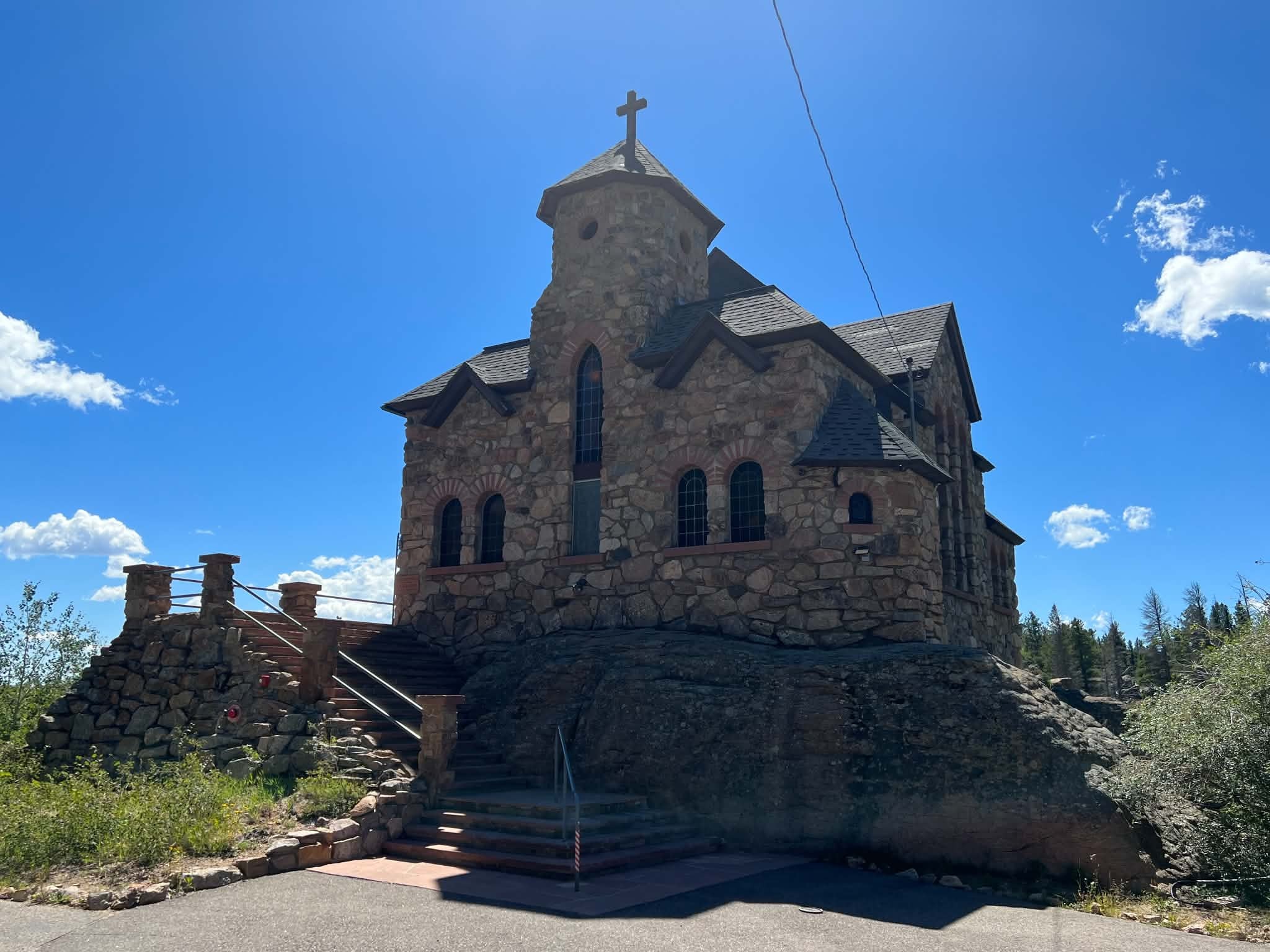
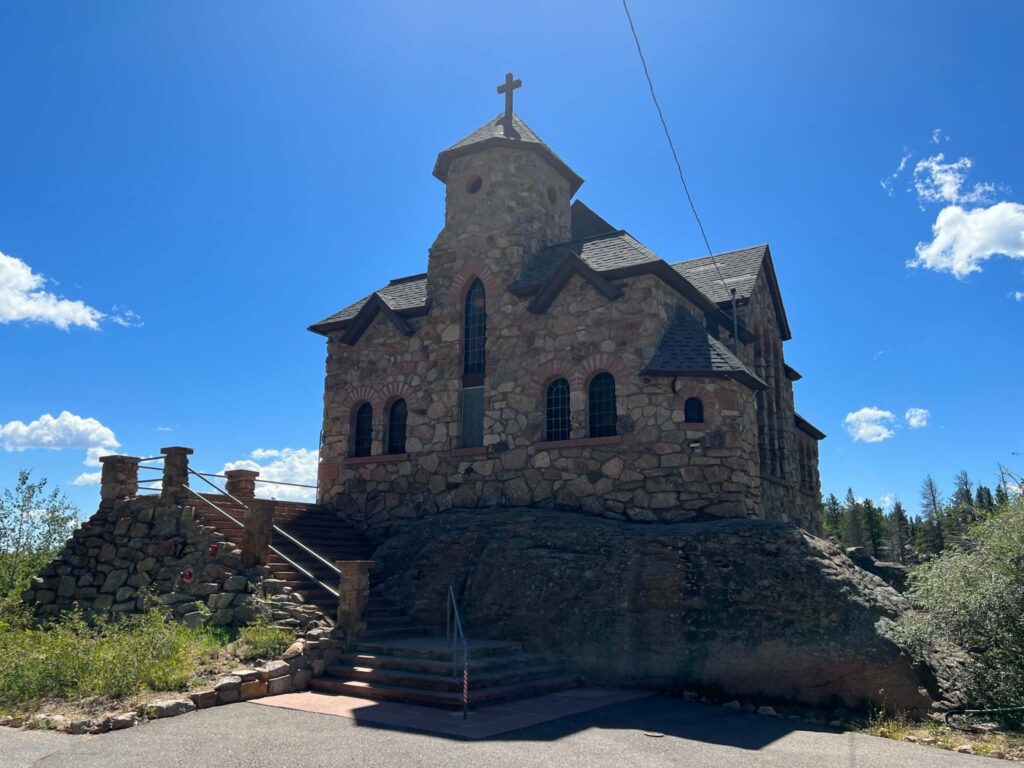
Built directly into a massive granite boulder outside Allenspark, the Chapel on the Rock officially St. Catherine of Siena Chapel is one of Colorado’s most distinctive small landmarks, combining nearly a century of history with a setting that draws photographers, hikers, and visitors of all faiths passing through on their way to Rocky Mountain National Park.
The Story Behind the Chapel
The chapel’s origin traces back to 1916, when Monsignor Joseph Bosetti came across a large rock formation while searching for a fallen meteorite that campers had reported seeing land in the area. Inspired by the biblical phrase “upon this rock I will build my church,” Bosetti envisioned a chapel built directly on the boulder, though a lack of funding delayed construction for nearly two decades. The land was eventually donated by Mr. and Mrs. Oscar Malo, whose family name the surrounding retreat center Camp St. Malo still carries today. Denver architect Jacques Benedict designed the chapel, and construction, using native stone from the surrounding area, was completed in 1936.
A Notable Papal Visit
In 1993, Pope John Paul II visited the chapel and the surrounding Camp St. Malo grounds during World Youth Day in Denver, staying briefly to rest, walk the trails, and bless the chapel. A statue near the site commemorates the visit, and it remains one of the chapel’s most frequently mentioned pieces of history among visitors.
Surviving Fire and Flood
Despite sitting in an area repeatedly affected by wildfire and flooding including a 2011 fire and 2013 floods that damaged much of the surrounding Camp St. Malo retreat facility the chapel itself has remained standing through nearly 90 years of Colorado weather. The retreat center building was destroyed in the 2011 fire and was not rebuilt on the same site, but the chapel survived largely intact, a detail often highlighted in accounts of its history.
Visiting the Chapel
The chapel sits on the grounds of the Saint Malo Retreat, Conference, and Spiritual Center, operated by the Catholic Archdiocese of Denver, and is open to the public. General visiting hours run daily from approximately 10:00 a.m. to 4:00 p.m., with Mass held weekly, typically on Friday mornings visitors are asked to wait until services conclude before touring the interior if a Mass is in progress. There is no admission fee, though donations toward the chapel’s upkeep are welcomed.
Getting There
The chapel is located along Highway 7 between Estes Park and Allenspark, roughly a 20-minute drive south from Estes Park or an 8-minute drive north from Allenspark. Because it sits along the same corridor used to access the Wild Basin area of Rocky Mountain National Park, many visitors combine a chapel stop with a nearby hike, such as the walk to Copeland Falls.
What to Expect
The chapel is relatively small inside but includes elaborate stonework, arched stained-glass windows, and depending on the visit access to an upstairs balcony area. Its backdrop, with Mount Meeker rising behind it, makes it a popular stop for photography, and it has become a sought-after wedding venue given its dramatic setting and historic character. In 1999, Boulder County officially designated the chapel a historical landmark.
Tips for Visiting
- Check for scheduled Mass times before planning your visit if you want full access to the interior.
- Parking is limited and first-come, first-served, so arriving earlier in the day, especially during peak summer tourist season, helps avoid a wait.
- Combine it with a Wild Basin hike. The chapel sits close enough to the Wild Basin trailhead area to pair easily with a short hike on the same trip.
- Photograph from multiple angles. The chapel looks notably different depending on the time of day, as sunlight moves across the stone facade and the rock formation beneath it.
The Chapel on the Rock offers a quick, free stop with a genuinely unusual story a functioning chapel built directly onto a boulder that a meteorite search led to nearly a century ago. Whether it’s a short detour on the way to Rocky Mountain National Park or a dedicated stop to see the architecture and history up close, it’s one of the more distinctive small landmarks along the Front Range.